
Strategy 1: Flat staking versus percentage staking at a live blackjack table
Live blackjack punishes sloppy bankroll management faster than most RNG table games because every hand is visible, every decision is exposed, and the pace can run 50 to 70 hands per hour. A flat stake of 1 unit per hand keeps variance easy to track. A percentage stake of 2% to 3% of bankroll reacts better to swings, but it also grows losses faster when the shoe goes cold.
| Method | Risk on a 200-unit bankroll | Typical session drawdown | Best use case |
|---|---|---|---|
| Flat 1 unit | 0.5% | 8 to 20 units | Longer, calmer sessions |
| 2% staking | 2 units per hand | 12 to 28 units | Players who tolerate sharper swings |
At a 0.5% house edge, the math does not reward aggression. The best practical edge comes from surviving enough hands to let variance even out, not from forcing a bigger bet size. Live blackjack’s studio production can make the action feel slower and safer than it is; the camera cuts, side bets, and chat all encourage overbetting. Resist that pressure.
Iceland casino guides are useful when you want to compare live tables and see which operators keep bet spreads realistic for your bankroll.
The Malta Gaming Authority publishes clear licensing standards, and that matters when you compare live casino operators that handle real dealer streams and financial controls. Read the rules before you chase a “hot” table.
RNG slots versus live dealer games: where the math changes most
RNG slots and live dealer games do not reward the same strategy, even when both are offered in the same lobby. A slot with 96% RTP returns about 96 units over the long run for every 100 wagered, but short-term volatility can be brutal. Live dealer blackjack, by contrast, often sits near 99.5% basic-strategy efficiency, yet only if you make the correct decision on nearly every hand.
That gap changes how you should think about risk. A 20-unit session on a 96% RTP slot can vanish in 3 minutes if the game is high variance. The same 20 units at a live blackjack table can last 25 minutes or more, depending on table speed and decision quality. The hard truth: slots punish bankrolls through variance, while live dealer games punish mistakes through decision errors.
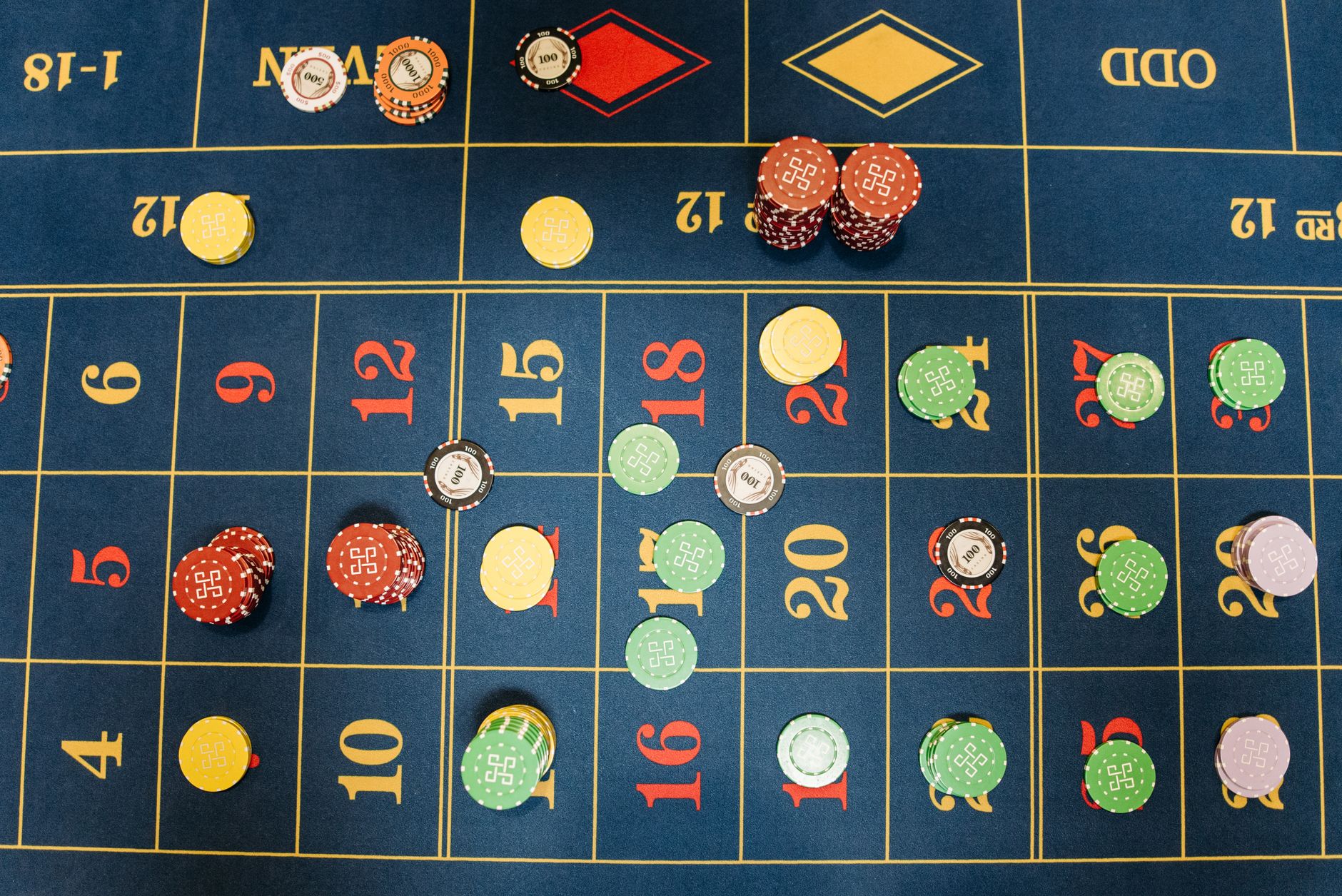
Kelly-style staking on live roulette: why the fraction should stay tiny
Roulette tempts players into believing a progression system can solve the math. It cannot. European roulette carries a 2.70% house edge, and no staking pattern changes that. A Kelly-style approach, used conservatively, would keep stakes tiny because the underlying edge is negative. On a 100-unit bankroll, even a 1% bet is already aggressive for a game with no player advantage.
| Game | House edge | Practical stake cap |
|---|---|---|
| European roulette | 2.70% | 0.5% to 1% |
| Live blackjack | Near 0.5% | 1% to 2% |
Live roulette studios usually run with crisp wheel coverage and clear ball tracking, which makes the game look more controllable than it is. That visual confidence is part of the product. The numbers stay stubborn. A 37-pocket wheel does not care how polished the set looks.
Third strategy: capped loss limits versus chasing variance in studio blackjack
Loss limits sound boring because they are boring, and that is exactly why they work. A hard cap of 30 units per session cuts the damage from emotional betting. Chasing variance after a bad run usually turns a 15-unit loss into 40 units or more, especially in live blackjack where the pace stays steady and the temptation to “win it back” grows hand by hand.
Compare two players over 10 sessions. Player A stops at minus 30 units every time. Player B doubles stakes after losing 4 hands in a row. Even if both start with the same 150-unit bankroll, Player B is the one who usually blows through it first. The math is plain: controlled loss limits reduce the size of your worst sessions, and worst sessions decide whether your bankroll survives the month.
What these three strategies actually deliver over 100 bets
Over 100 bets, the numbers are more useful than the stories. Flat staking at 1 unit keeps variance contained. Percentage staking can preserve relative bankroll size, but only if you keep the fraction low. Loss limits do not improve expected value, yet they reduce ruin risk more effectively than any betting pattern built on hope.
Direct comparison: on a 200-unit bankroll, 100 flat bets at 1 unit expose 50% of bankroll to action. The same period at 2% staking exposes 200 units of cumulative turnover, but the bankroll impact can swing harder because each bet grows and shrinks with results. On live dealer tables, that difference is amplified by faster hand flow and fewer pauses than many RNG games.
For practical play in 2026, the cleanest choice is still the least exciting one: use flat staking for live blackjack, tiny capped stakes for roulette, and strict stop-loss rules for both. When the studio is polished and the dealer rhythm feels smooth, the game can invite overconfidence. The math never does.



 Ben Lambert, Esq. – Founder/CEO