
- Accuracy regarding is kalshi legit demands careful platform assessment and risk understanding
- Understanding Kalshi's Regulatory Framework
- The Mechanics of Trading on Kalshi: How Does it Work?
- Risk Factors Associated with Trading on Kalshi
- Evaluating User Experiences and Platform Security
- The Future of Event-Based Trading and Kalshi's Role
- Expanding Considerations Beyond Trading: Kalshi Data and Analysis
Accuracy regarding is kalshi legit demands careful platform assessment and risk understanding
The question of “is Kalshi legit” is one that many potential users are asking as the platform gains traction as a regulated financial market for event outcomes. Kalshi is a relatively new entrant into the world of financial trading, offering a unique approach focused on contracts tied to real-world events – from political elections to economic indicators. This differs significantly from traditional stock or commodities markets, and naturally raises questions about its legitimacy, regulatory standing, and overall trustworthiness. Understanding these aspects is crucial before considering participation in this novel type of trading.
Kalshi operates under a Designated Contract Market (DCM) license granted by the Commodity Futures Trading Commission (CFTC) in the United States. This regulatory oversight is a primary factor in addressing the concerns about whether Kalshi is legitimate. This license isn't handed out lightly; it requires adherence to stringent financial and operational standards. However, regulatory approval alone doesn’t guarantee a risk-free experience, and prospective traders need to be aware of the inherent risks associated with any financial market, including those offered on Kalshi. A thorough exploration of Kalshi's platform, its rules, and its risk disclosures is essential for anyone considering trading there.
Understanding Kalshi's Regulatory Framework
Kalshi’s legitimacy is deeply intertwined with its regulatory standing. The fact that it’s operating under the direct supervision of the CFTC provides a significant layer of credibility. The CFTC is the primary regulator of the U.S. derivatives markets, responsible for ensuring the integrity of these markets and protecting market participants from fraud and manipulation. Obtaining a DCM license from the CFTC involved a rigorous review process, including scrutiny of Kalshi’s governance structure, risk management procedures, and financial resources. This process isn't a one-time event; Kalshi is subject to ongoing oversight and audits by the CFTC to ensure continued compliance with regulations.
However, it’s important to understand the specifics of Kalshi’s license. It is a relatively new type of license granted by the CFTC, and the regulatory landscape surrounding event-based trading is still evolving. This means that the rules and interpretations may change over time, potentially impacting how Kalshi operates. Moreover, while the CFTC oversees Kalshi's operations, it doesn’t guarantee profits or protect against losses incurred by traders. The CFTC’s role is to ensure the market functions fairly and transparently, not to act as an insurer against poor trading decisions.
| CFTC (Commodity Futures Trading Commission) | Designated Contract Market (DCM) | Ensuring market integrity, preventing fraud and manipulation, overseeing risk management. |
| Kalshi's Internal Compliance | Ongoing adherence to CFTC rules | Maintaining financial stability, transparent trading practices, and customer protection. |
The table highlights the key relationship between Kalshi and its regulator. This partnership is a crucial aspect of determining whether Kalshi is a legitimate platform for trading. While the CFTC provides oversight, the ultimate responsibility for prudent trading lies with the individual user.
The Mechanics of Trading on Kalshi: How Does it Work?
To assess whether Kalshi is legitimate, it’s crucial to understand how it operates. Kalshi doesn't deal in traditional securities like stocks or bonds. Instead, it offers contracts based on the outcome of future events. These events can range from the results of major elections (like who will win a presidential election or control of Congress) to economic indicators (like the Consumer Price Index or unemployment rate). Traders buy and sell contracts that represent a ‘yes’ or ‘no’ outcome for these events. The price of a contract fluctuates based on supply and demand, reflecting the market’s collective belief about the likelihood of that event occurring. The closer an event gets, the more the contracts generally converge towards a price of 100, representing certainty of the outcome.
The platform facilitates a relatively straightforward trading process, allowing users to deposit funds, place orders, and manage their positions. However, it’s important to note that Kalshi’s contracts are margined, meaning that traders don’t need to put up the full value of the contract to trade. This leverage can amplify both potential profits and potential losses. This is why understanding risk management is paramount before participating.
- Contract Types: Kalshi primarily offers binary contracts – ‘yes’ or ‘no’ outcomes.
- Margin Requirements: Trading is margined, offering leverage but also increasing risk.
- Settlement: Contracts settle to $100 upon the resolution of the event, representing a profit or loss.
- Market Hours: Kalshi’s markets operate continuously, allowing trading at any time.
The continuous operation of the market and the margined nature of the contracts differentiate Kalshi from traditional exchanges. These features contribute to both its appeal and its inherent risks, making a clear understanding of these elements vital when considering if Kalshi is a platform that aligns with your investment approach.
Risk Factors Associated with Trading on Kalshi
Even if a platform is legitimate and regulated, the underlying investments can still carry significant risk. Kalshi is no exception. The primary risk stems from the fact that you are speculating on the outcome of future events, which are inherently uncertain. Political events, economic data releases, and other factors can be unpredictable, leading to unexpected outcomes. If your prediction is incorrect, you can lose your entire investment. Unlike investing in a company with underlying assets, these contracts have no intrinsic value beyond the event outcome.
Leverage amplifies these risks. While margin can increase potential profits, it also magnifies potential losses. A small adverse movement in the market can quickly deplete your account balance. Additionally, liquidity—the ease with which you can buy or sell a contract—can be a concern, particularly for less popular events. If there aren’t enough buyers or sellers, you may have difficulty exiting your position at a favorable price.
- Event Uncertainty: The outcome of future events is inherently unpredictable.
- Leverage Risk: Margin amplifies both profits and losses.
- Liquidity Concerns: Some markets may have limited trading volume.
- Regulatory Changes: The evolving regulatory landscape could impact Kalshi’s operations.
The listed risks underscore the importance of thorough research and cautious risk management. Before trading on Kalshi, carefully consider your risk tolerance and ensure you understand the potential for losses. It’s crucial to only trade with funds you can afford to lose, and to employ sound risk management techniques, such as setting stop-loss orders and diversifying your positions.
Evaluating User Experiences and Platform Security
Determining if Kalshi is legitimate also requires looking at user experiences and platform security measures. Reviews and testimonials from other traders can provide valuable insights into the platform’s usability, customer support, and withdrawal processes. While individual experiences may vary, a pattern of consistent complaints or negative feedback should raise red flags. It's important to search for reviews on independent platforms, rather than solely relying on testimonials on Kalshi’s website.
Kalshi invests in security measures to protect user data and funds. This includes encryption, two-factor authentication, and regular security audits. However, no platform is entirely immune to cyberattacks. Users should practice good security hygiene, such as using strong passwords and being wary of phishing scams. Additionally, Kalshi offers insurance coverage to protect against certain types of losses, which can provide an added layer of security. However, it’s vital to understand the terms and conditions of this insurance and what it covers. The company also has a dispute resolution process for addressing user complaints, providing a channel for resolving issues.
The Future of Event-Based Trading and Kalshi's Role
Kalshi isn't operating in a vacuum; it is pioneering a new form of trading. The broader landscape of event-based trading is still emerging, and several other platforms are beginning to explore similar concepts. The success of these platforms will depend on their ability to attract users, maintain regulatory compliance, and manage risk effectively. Kalshi’s early mover advantage and its CFTC license give it a head start, but it faces competition from both established financial institutions and new entrants. The evolution of this market will likely be shaped by technological advancements, changing regulatory attitudes, and the demand from investors seeking alternative investment opportunities.
Looking ahead, it’s reasonable to expect increased scrutiny from regulators as event-based trading gains prominence. The CFTC may refine its rules and regulations to address emerging risks and ensure market integrity. Kalshi’s ability to adapt to these changes will be critical for its long-term success. The platform’s continued development will likely focus on expanding the range of events offered, improving its trading tools, and enhancing its risk management capabilities. Whether this new market will become a mainstream investment option remains to be seen, but Kalshi’s role in shaping its trajectory is undeniable.
Expanding Considerations Beyond Trading: Kalshi Data and Analysis
Beyond the core trading functionality, Kalshi generates a wealth of data related to market sentiment and predictions. This data can be valuable to researchers, analysts, and even policymakers seeking to understand public opinion and forecast future events. The platform’s market prices represent a collective intelligence of sorts, reflecting the aggregated beliefs of traders. Analyzing these price movements can provide insights into how the market is perceiving different risks and opportunities. This has led to increased interest from academic institutions and think tanks seeking to utilize Kalshi's data for research purposes.
However, it’s important to interpret this data with caution. The market is not always right, and biases can influence trading decisions. Furthermore, the limited number of participants compared to traditional markets means that Kalshi’s data may not always be representative of broader public opinion. Nonetheless, the unique data set offered by Kalshi provides a new lens through which to analyze events and potentially improve forecasting accuracy. This data-driven approach complements the platform’s trading functionality and further enhances its overall value proposition.

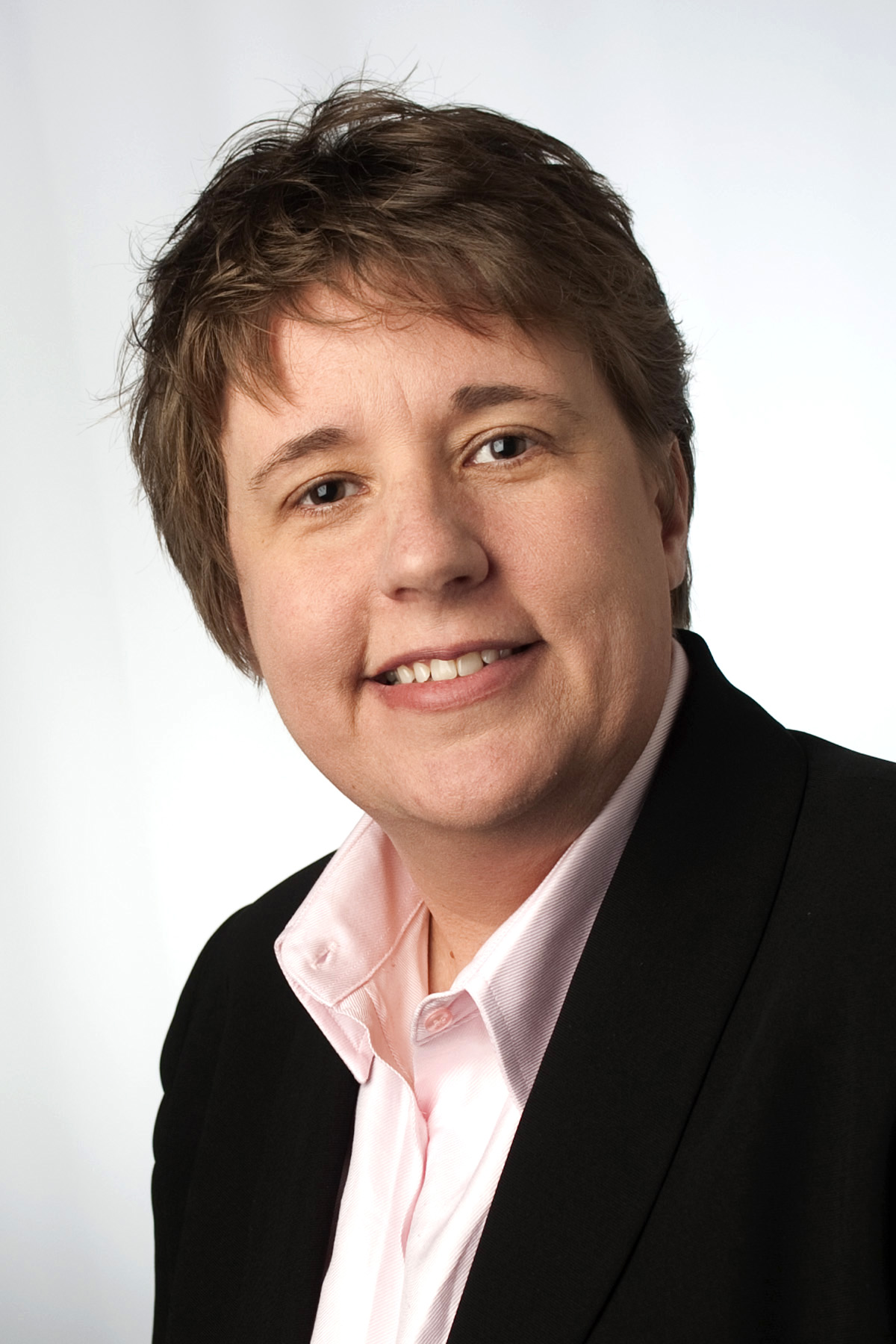

 Ben Lambert, Esq. – Founder/CEO