
- Detailed insights into event outcomes through kalshi markets emerge now
- Understanding the Mechanics of Kalshi Markets
- The Role of Regulatory Oversight
- The Benefits of Utilizing Prediction Markets
- Applications Across Various Sectors
- The Challenges and Future of Kalshi and Prediction Markets
- Beyond Forecasting: Exploring New Frontiers
Detailed insights into event outcomes through kalshi markets emerge now
The realm of prediction markets is experiencing a significant evolution, and at the forefront of this change is a platform called kalshi. It’s a decentralized exchange allowing users to trade contracts tied to the outcomes of future events – everything from political elections and economic indicators to sporting events and even the weather. This innovative approach offers a new way to gauge public opinion, forecast probabilities, and potentially profit from accurate predictions. The growing interest in these markets demonstrates a desire for more direct, real-time insights into potential future scenarios.
Traditional methods of forecasting, such as polls and expert opinions, often fall short of providing truly accurate predictions. They can be subject to biases, limited data sets, and the inherent difficulty of predicting complex events. Kalshi, and the broader category of prediction markets, offer a compelling alternative by leveraging the “wisdom of the crowd” – the collective intelligence of a diverse group of individuals with a financial stake in the outcome. This dynamic creates incentives for informed participation and can lead to surprisingly accurate forecasts.
Understanding the Mechanics of Kalshi Markets
At its core, kalshi operates on a simple supply and demand principle. Users buy and sell contracts that pay out a specific amount (typically $1) if a certain event occurs. The price of a contract reflects the market's collective belief about the probability of that event happening. For example, a contract predicting a particular candidate winning an election might trade at 30 cents, indicating a 30% probability of that outcome. As new information emerges and opinions shift, the price of the contract fluctuates accordingly, providing a real-time gauge of market sentiment. The key difference from traditional betting lies in the exchange-like nature of the platform, allowing users to close positions before the event resolves, mitigating risk and enabling more sophisticated trading strategies.
The platform’s interface is designed to be accessible to both experienced traders and newcomers. Users can deposit funds, browse available markets, and place orders with relative ease. Kalshi also provides a range of tools and resources to help users understand the markets and make informed trading decisions, including historical data and market analysis features. The availability of these resources further encourages informed participation and contributes to the efficiency of the markets.
The Role of Regulatory Oversight
The regulatory landscape surrounding prediction markets is still evolving. Kalshi has been working closely with regulators, particularly the Commodity Futures Trading Commission (CFTC), to ensure compliance and establish a framework for responsible operation. The CFTC has granted Kalshi a Designated Contract Market (DCM) license, allowing it to offer a wider range of event-based contracts. This is a significant step in the acceptance and legitimization of prediction markets as a valuable source of information and a legitimate financial instrument. Ongoing dialogue with regulators is crucial to fostering innovation while protecting investors and maintaining market integrity.
Navigating these complex regulations requires a proactive approach. Kalshi’s commitment to transparency and collaboration with regulatory bodies is essential for its long-term sustainability and growth. The ability to adapt to changing regulatory requirements will be a critical factor in determining the future of the platform and the broader prediction market industry.
| US Presidential Elections | $1 per contract | $500,000 – $2,000,000 | 10,000 – 50,000 contracts |
| Economic Indicators (GDP Growth) | $1 per contract | $100,000 – $500,000 | 2,000 – 10,000 contracts |
| Sporting Events (NBA Finals Winner) | $1 per contract | $200,000 – $1,000,000 | 5,000 – 25,000 contracts |
| Political Events (Senate Control) | $1 per contract | $300,000 – $800,000 | 7,000 – 30,000 contracts |
The table above illustrates the typical characteristics of different markets available on platforms like kalshi, showcasing the diversity of events covered and the level of liquidity available. This liquidity is a key factor for traders, as it ensures they can easily enter and exit positions without significantly impacting the market price.
The Benefits of Utilizing Prediction Markets
Prediction markets offer several advantages over traditional forecasting methods. First, they aggregate information from a diverse group of participants, reducing the risk of bias and groupthink. Second, the financial incentives encourage participants to be as accurate as possible in their predictions. Traders who consistently make accurate forecasts are rewarded with profits, while those who are wrong lose money, creating a powerful feedback loop that drives accuracy. The inherent efficiency of these markets often results in forecasts that are more accurate than those generated by polls, experts, or other traditional methods. This makes them valuable tools for businesses, policymakers, and anyone seeking to understand potential future outcomes.
Furthermore, prediction markets can provide early warning signals of impending changes. Because market participants are constantly updating their beliefs in response to new information, the markets can often anticipate events before they are reflected in traditional media or academic research. This early warning capability can be particularly valuable in areas such as risk management and strategic planning. The rapid price adjustments within these markets can also provide insights into the speed and magnitude of shifts in public opinion.
Applications Across Various Sectors
The applications of prediction markets extend far beyond political forecasting. In the business world, companies can use them to forecast sales, predict project completion dates, and assess the likelihood of new product success. In government, they can be used to estimate the cost of major infrastructure projects, predict the spread of diseases, and even assess the effectiveness of public policies. The potential for using prediction markets to improve decision-making in a wide range of fields is enormous. The flexibility and adaptability of these markets allow for customization to suit the specific needs of different organizations and sectors.
- Corporate Strategy: Forecasting market trends, assessing competitive threats, evaluating new product launches.
- Financial Risk Management: Predicting credit defaults, assessing the likelihood of market crashes, managing portfolio risk.
- Public Health: Tracking the spread of infectious diseases, predicting healthcare demand, evaluating the effectiveness of public health interventions.
- Policy Making: Evaluating the impact of proposed legislation, forecasting the outcomes of elections, assessing the effectiveness of government programs.
The list above provides a snapshot of the diverse range of applications where prediction markets can provide valuable insights. As the technology matures and awareness grows, we can expect to see even more innovative uses emerge.
The Challenges and Future of Kalshi and Prediction Markets
Despite their many advantages, prediction markets face several challenges. One of the biggest hurdles is regulatory uncertainty. The legal status of prediction markets is still unclear in many jurisdictions, which can discourage investment and innovation. Another challenge is ensuring broad participation. To be truly effective, prediction markets need to attract a diverse group of participants with a wide range of perspectives. The limited awareness of these markets among the general public is also a barrier to adoption. Efforts to educate the public about the benefits of prediction markets and make them more accessible are crucial for overcoming these challenges.
Furthermore, maintaining market integrity is paramount. Mechanisms to prevent manipulation and ensure fair trading practices are essential for building trust and attracting participants. Kalshi’s commitment to security and transparency is a positive step in this direction. As the markets grow in size and complexity, robust surveillance and enforcement mechanisms will be necessary to maintain their integrity. The continuous enhancement of security protocols and the implementation of advanced monitoring tools will be critical for safeguarding the market.
Beyond Forecasting: Exploring New Frontiers
The potential of platforms like kalshi extends beyond simple forecasting. The underlying technology could be adapted to create new types of financial instruments and markets. For example, it could be used to create markets for insurance contracts, allowing individuals and businesses to hedge against specific risks. It could also be used to create markets for intellectual property, allowing inventors and creators to monetize their ideas. The ability to create tradable contracts tied to virtually any future event opens up a wide range of possibilities. Exploring these new frontiers will require creativity, innovation, and a willingness to experiment.
Moreover, the data generated by these markets could be used to develop more sophisticated machine learning algorithms and predictive models. Analyzing the trading patterns and price movements in prediction markets can provide valuable insights into human behavior and decision-making. These insights can be used to improve forecasting accuracy and develop new predictive tools for a variety of applications. The synergy between prediction markets and artificial intelligence holds immense potential for unlocking new levels of understanding and foresight.
- Increased Regulatory Clarity: Establishing clear and consistent regulatory frameworks across different jurisdictions to foster innovation and attract investment.
- Enhanced User Education: Raising awareness of the benefits of prediction markets and making them more accessible to the general public.
- Improved Market Liquidity: Attracting a larger and more diverse group of participants to increase market depth and reduce transaction costs.
- Advanced Security Measures: Implementing robust security protocols and surveillance mechanisms to prevent manipulation and ensure fair trading practices.
Addressing these key areas will be crucial for unlocking the full potential of prediction markets and shaping the future of forecasting and risk management. The collective effort of stakeholders – regulators, platform operators, and participants – will be essential for driving the continued growth and development of this exciting and promising field.



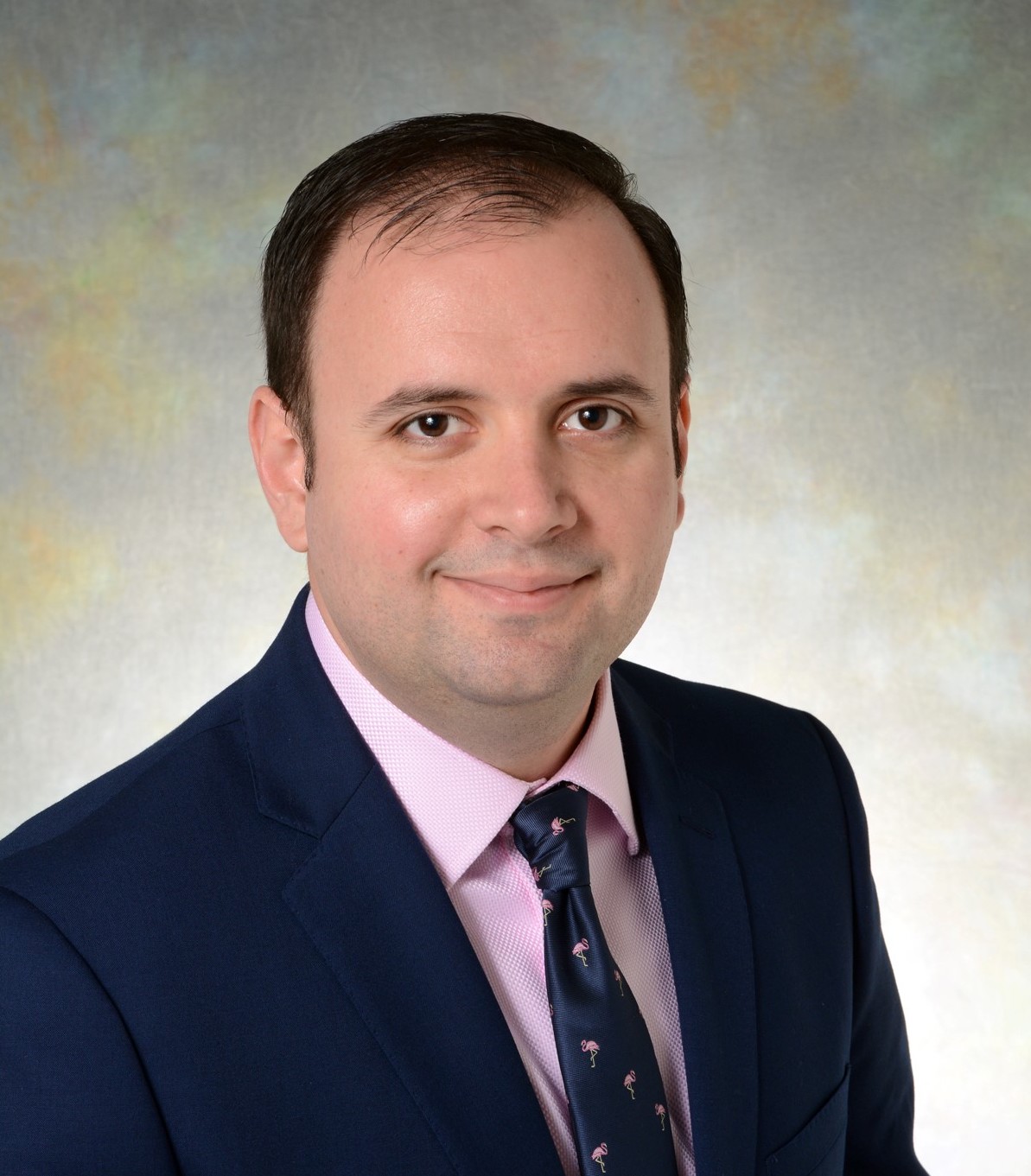 Ben Lambert, Esq. – Founder/CEO